The Future of Renewable Energy: How Innovations Are Shaping Power Generation
The future of renewable energy is being remarkably shaped by innovative technologies and groundbreaking research. As the world shifts towards sustainable power generation, advancements in areas like solar, wind, and energy storage systems are gaining momentum. For instance, the development of solar photovoltaic (PV) cells with increased efficiency is allowing for more electricity to be harnessed from sunlight. Innovations such as floating solar farms and tandem solar cells are pushing the boundaries of traditional solar technologies, making them more versatile and efficient.
Furthermore, wind energy is also experiencing a technological renaissance. The advent of taller wind turbines and improved turbine blade designs has increased energy capture and reduced costs significantly. Additionally, hybrid systems that combine solar and wind energy with advanced battery storage options are providing reliable power generation even during low-output conditions. This synergistic approach not only enhances the efficiency of renewable energy systems but also facilitates a smoother transition to a cleaner energy landscape over the coming decades.
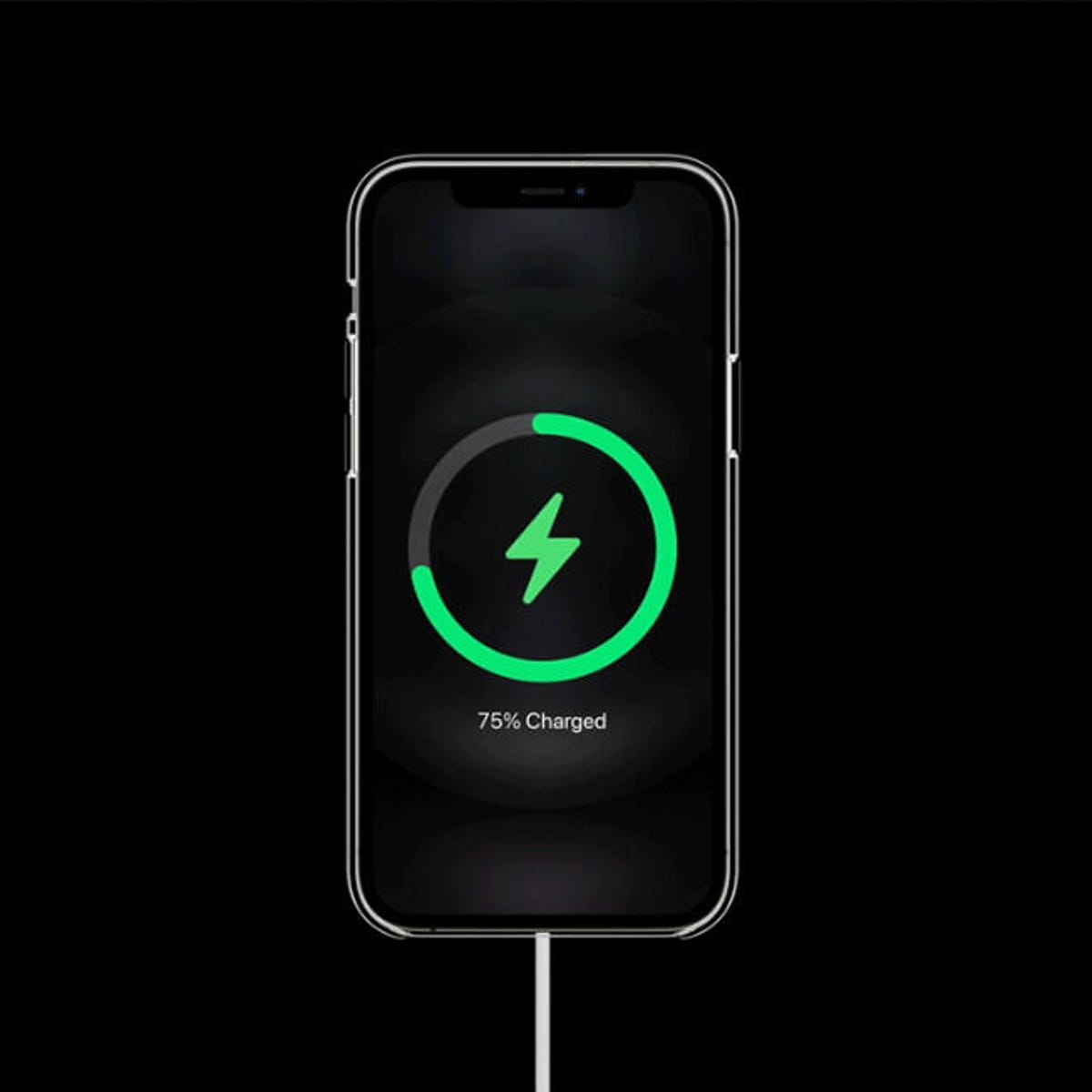
If you're looking for a reliable and efficient way to charge your iPhone on the go, check out the Top 10 iPhone fast charger compact travel options that fit easily into any bag. These chargers are designed to provide quick power-ups while being small enough to carry anywhere. Whether you’re traveling for business or leisure, having a compact fast charger ensures your device is always ready for use.
Understanding Energy Storage Solutions: How Batteries Are Changing the Game
The advent of energy storage solutions has revolutionized how we harness and utilize renewable energy sources. At the core of this transformation are batteries, which play a pivotal role in storing energy generated from intermittent sources like solar and wind. These batteries not only enhance energy efficiency but also provide reliability to the grid by ensuring a stable power supply during peak demand times. As technology advances, we are witnessing a surge in various battery types, including lithium-ion and solid-state batteries, each offering unique benefits and applications.
Moreover, understanding the diverse energy storage solutions available is essential for both consumers and businesses looking to invest in sustainable energy. For instance, residential battery systems allow homeowners to store excess energy from their solar panels, enabling them to reduce reliance on the grid and lower energy costs. On a larger scale, large-format batteries are being deployed for grid-scale storage, supporting renewable integration and enhancing grid resilience. As public awareness of climate change grows, the demand for efficient energy storage solutions continues to rise, solidifying batteries' role in shaping a sustainable energy future.
How Do Power Grids Work? Unraveling the Complexities of Energy Distribution
The modern power grid is an intricate network designed to efficiently distribute energy from power plants to consumers. At its core, the grid consists of three main components: generation, transmission, and distribution. Generation refers to the creation of electricity, typically from sources such as fossil fuels, nuclear power, or renewable options like wind and solar. Once generated, the electricity travels long distances through high-voltage transmission lines, minimizing energy loss during the journey. This transmission stage is critical for ensuring that power reaches urban areas where demand is highest.
After transmission, electricity enters the distribution network, where it is stepped down to lower voltages suitable for everyday use. This phase includes substations that manage the flow of electricity and ensure it reaches homes and businesses efficiently. It is important to note that the grid operates as a real-time system, constantly balancing supply and demand to prevent blackouts. With the advent of smart grid technologies, utilities are now employing advanced monitoring and communication tools, enhancing resilience and sustainability in energy distribution.