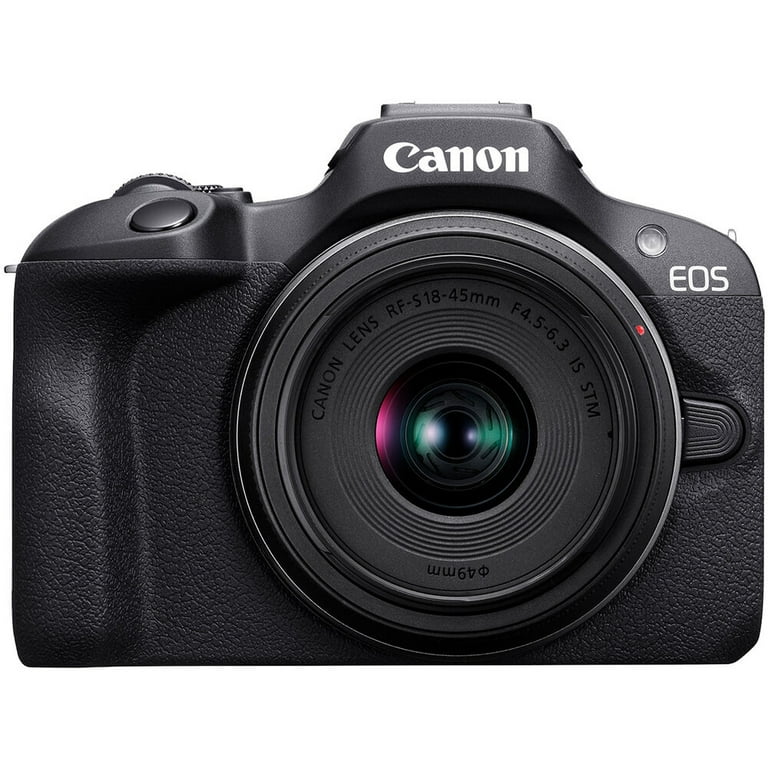
Understanding Camera Settings: A Beginner's Guide to Mastering Your Shots
Understanding camera settings is essential for anyone looking to improve their photography skills. Whether you're using a DSLR, mirrorless camera, or even a smartphone, mastering your camera's settings can significantly enhance your shots. Start by familiarizing yourself with the three critical elements of photography: aperture, shutter speed, and ISO. These elements work together to determine the exposure of your image, and adjusting them appropriately allows you to capture stunning photographs under various lighting conditions.
When you start experimenting with these settings, consider creating a simple chart that outlines the effects of different aperture sizes, shutter speeds, and ISO levels. For example, wide apertures (small f-number) allow more light in and create a beautiful bokeh effect, while fast shutter speeds can freeze action, making them ideal for sports or fast-moving subjects. Additionally, understanding ISO will help you achieve better results in low-light situations. With practice and patience, you'll find that mastering your camera settings opens up a world of creative possibilities in photography.
Protecting the camera lens of your new iPhone 17 Pro Max is essential to maintaining its quality and performance. There are many options available, but you may want to consider the Top 10 iPhone 17 Pro Max lens protector glass for the best balance of durability and clarity. Investing in a high-quality lens protector can help prevent scratches and ensure your photos always look their best.
5 Essential Tips for Capturing Stunning Photos Every Time
Capturing stunning photos is an art that combines technique, creativity, and a bit of luck. To consistently produce impressive images, follow these 5 essential tips. First, understand the importance of lighting. Natural light, especially during the golden hour, can elevate your photos significantly. Aim to shoot during early morning or late afternoon when the sunlight is soft and warm. Additionally, consider using reflectors or diffusers to soften harsh shadows.
Next, composition plays a crucial role in photography. Utilize the rule of thirds by dividing your frame into a 3x3 grid and positioning the main subject along these lines or at their intersections. This technique creates a balanced and pleasing composition. Lastly, don’t forget the power of editing. Even the best shots can benefit from post-processing to enhance colors, contrast, and clarity. With these tips in mind, you’ll be well on your way to capturing breathtaking images every time you click the shutter.
How Does Light Affect Your Photography? Unveiling the Secrets Behind Great Shots
Light plays a crucial role in photography, influencing everything from exposure to mood. Understanding how light interacts with your camera can elevate your photographs from ordinary to extraordinary. Natural light, for instance, varies throughout the day; the golden hour—shortly after sunrise or before sunset—produces a warm, soft glow that can enhance portraits and landscapes alike. In contrast, harsh midday sunlight can create unflattering shadows and washed-out colors. To master your photography skills, learning to recognize and harness these lighting conditions is essential.
Moreover, artificial lighting offers another dimension in photography. Using tools such as flash, softboxes, or reflectors allows photographers to control and manipulate light to achieve desired effects. For example, a simple flash can add depth to a portrait by eliminating shadows, while diffused lighting can soften features, making them appear more pleasing. Experimenting with both natural and artificial light is a key step toward unveiling the secrets behind great shots, allowing you to express your creativity effectively.