The Evolution of Competitive Gaming: From Amateur to Pro
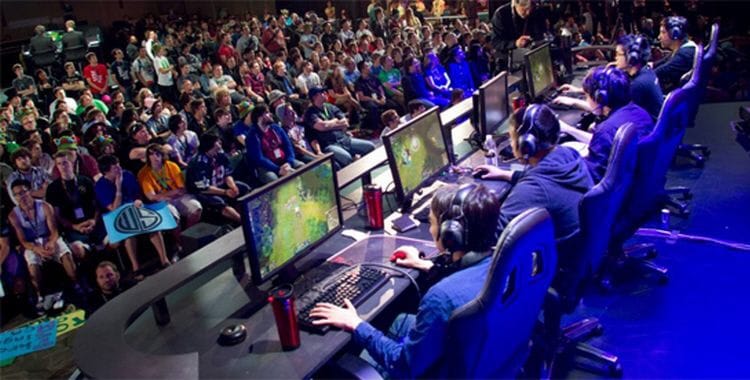
The evolution of competitive gaming has transformed dramatically from its humble beginnings to the highly professional landscape we see today. Initially, gaming was primarily a grassroots affair, with players competing informally in local arcades and community events. As technology advanced in the late 20th century, competitive gaming began to gather momentum, leading to organized tournaments in the early 2000s. Events like the World Cyber Games and Electronic Sports World Cup helped to establish a more structured competitive environment, drawing amateur players from various platforms to showcase their skills on a global stage.
As the popularity of competitive gaming surged, so too did the rise of professional players and teams. Today, the professional gaming scene features lucrative sponsorships, extensive media coverage, and even college scholarships specifically for esports. Esports organizations invest heavily in recruiting top talent, often providing training facilities and access to expert coaching. Furthermore, events such as the International Dota 2 Championship and League of Legends World Championship offer multi-million dollar prize pools, solidifying the status of competitive gaming as a prestigious career path for dedicated players.
Counter-Strike is a highly popular first-person shooter game known for its competitive gameplay and tactical team-based dynamics. Players can choose between two teams, terrorists and counter-terrorists, and engage in various game modes, including bomb defusal and hostage rescue. For those looking to enhance their gaming experience, check out the Top 10 mobile gaming gear that can provide a significant edge in performance and comfort.
How Do Esports Players Train Like Athletes?
Just like traditional athletes, esports players dedicate countless hours to training their bodies and minds for peak performance. Their training regimens often include a combination of practice hours spent honing their skills in various games alongside physical fitness routines. To enhance their reaction times and stamina, many esports athletes engage in regular workouts, such as strength training, cardio exercises, and flexibility workouts. Additionally, they implement rigorous practice schedules that can include playing for several hours a day, as well as reviewing gameplay footage to analyze their strategies and improve their decision-making skills.
Moreover, mental training is a critical component of an esports athlete's regimen. Techniques such as visualization, meditation, and cognitive skill exercises are incorporated to enhance focus and reduce the stress that can come from high-stakes competitions. Coaches and sports psychologists often work collaboratively with players to develop customized mental training programs that address their specific needs. In the world of esports, where split-second decisions can make or break a game, maintaining both physical and mental sharpness is essential for achieving success.
What Makes a Legend in Competitive Gaming?
In the dynamic world of competitive gaming, various factors contribute to what makes a legend. First and foremost, exceptional skill and talent are paramount. Players who consistently outperform their peers possess a deep understanding of gameplay mechanics, strategies, and teamwork. Additionally, dedication and a relentless work ethic are crucial. Many legends dedicate countless hours to honing their skills, studying their opponents, and practicing their techniques. This commitment not only enhances their personal performance but also inspires others in the gaming community.
Beyond individual skill, a legend in competitive gaming must also exhibit strong leadership and resilience. The ability to lead a team, motivate teammates, and remain calm under pressure sets apart the greats from the good. Factors such as sportsmanship, respect for the game, and contributions to the community play essential roles in building a legend’s legacy. Furthermore, legends often create a lasting impact through their achievements, whether by winning championships or innovating game strategies, ultimately shaping the landscape of competitive gaming for future generations.