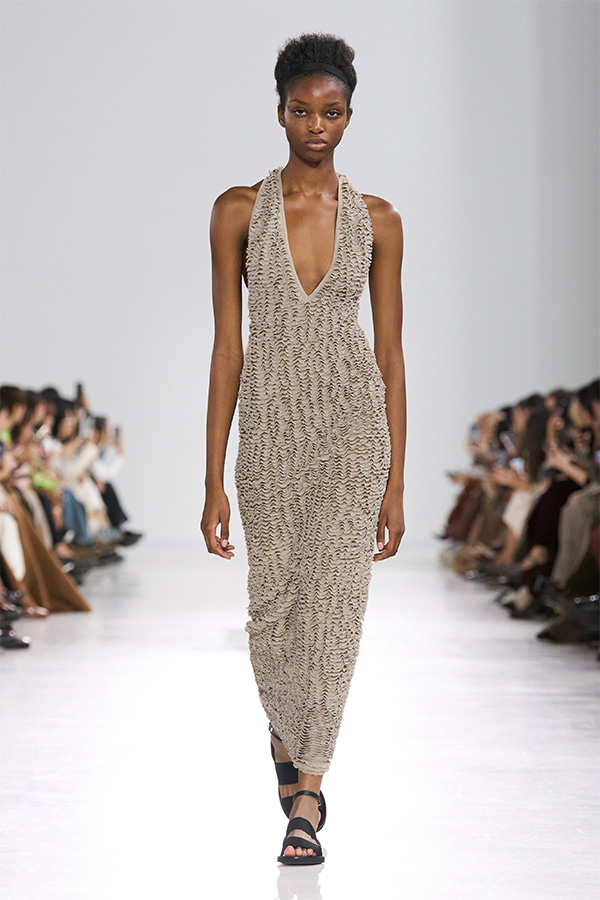
Uncovering the Secrets: What Your Clothes Say About Society
Clothing is not merely a fabric draped around our bodies; it is a powerful form of communication that reflects societal values, norms, and hierarchies. The secrets embedded in our wardrobe choices can reveal much about our identities, social status, and cultural affiliations. For instance, a luxury brand logo signals wealth and status, while eco-friendly materials may indicate a commitment to sustainability and environmental consciousness. Furthermore, clothing styles can vary greatly across different regions and cultures, making them a rich area for exploration. Understanding these dynamics can help us decode the unspoken messages our outfits convey within the larger tapestry of society.
In examining the relationship between clothing and society, it is essential to recognize how trends emerge and shift over time, often as a reaction to social movements or changes in political landscapes. Fashion acts as a mirror, reflecting the collective consciousness and evolving ideologies. For example, the rise of gender-neutral fashion showcases a significant societal shift towards inclusivity and acceptance of diverse identities. By analyzing what we wear, we can uncover the underlying narratives that shape our world, allowing us to not only understand ourselves better but also to foster a greater appreciation for the cultural contexts that influence our clothing choices.
Counter-Strike is a popular first-person shooter game that has captivated players since its initial release in 1999. The game pits two teams against each other, where one team attempts to complete objectives while the other team tries to thwart them. Players can adopt various strategies to outsmart their opponents, and many find that having the right gear enhances their gameplay. For instance, when choosing accessories, make sure to check out the Top 10 airtag wallets to keep your essentials organized. The competitive nature and team dynamics of Counter-Strike foster a thrilling gaming experience.
Are Your Fashion Choices Influenced by Hidden Agendas?
In today's fast-paced world, our fashion choices are often shaped by more than just personal taste. From social media trends to influential celebrity endorsements, the hidden agendas driving these trends can be subtle yet powerful. For instance, marketing campaigns often promote an idealized lifestyle that suggests we need certain products to fit in or stand out. The psychological impact of such messaging cannot be underestimated, as it leads consumers to make choices that align with expected norms rather than their own individuality.
Moreover, consider the underlying forces of sustainability and ethical fashion that are gaining traction in the industry. While many brands emphasize their commitment to responsible production, some may exploit these values as a marketing strategy rather than a genuine effort for change. Are consumers fully aware of which brands prioritize ethical practices, or are they simply swayed by clever marketing? Awareness of hidden agendas can empower shoppers to make more informed choices, ultimately fostering a fashion landscape that reflects true personal values rather than societal pressures.
The Dark Side of Fashion: Sustainability, Ethics, and Consumer Manipulation
The fashion industry, known for its vibrant creativity and expression, harbors a dark side that is seldom discussed. At the heart of this issue is the lack of sustainability. The production of clothing often leads to significant environmental damage, from the depletion of natural resources to the pollution of water bodies. In fact, the fashion sector is responsible for about 10% of global carbon emissions. Moreover, the fast fashion model promotes a culture of disposable clothing, encouraging consumers to purchase and discard items at an alarming rate. The consequences extend beyond the environment, impacting the workers involved in these processes.
In addition to sustainability concerns, ethical dilemmas loom large in the fashion industry. Many brands exploit cheap labor in developing countries, where workers endure harsh conditions for minimal pay. This form of consumer manipulation often goes unnoticed, as companies employ marketing strategies that prioritize trend over truth. Shoppers may find themselves unwittingly supporting brands that engage in unethical practices, perpetuating a cycle of exploitation. Raising awareness and holding these companies accountable for their practices is crucial in ensuring a more ethical approach to fashion consumption.