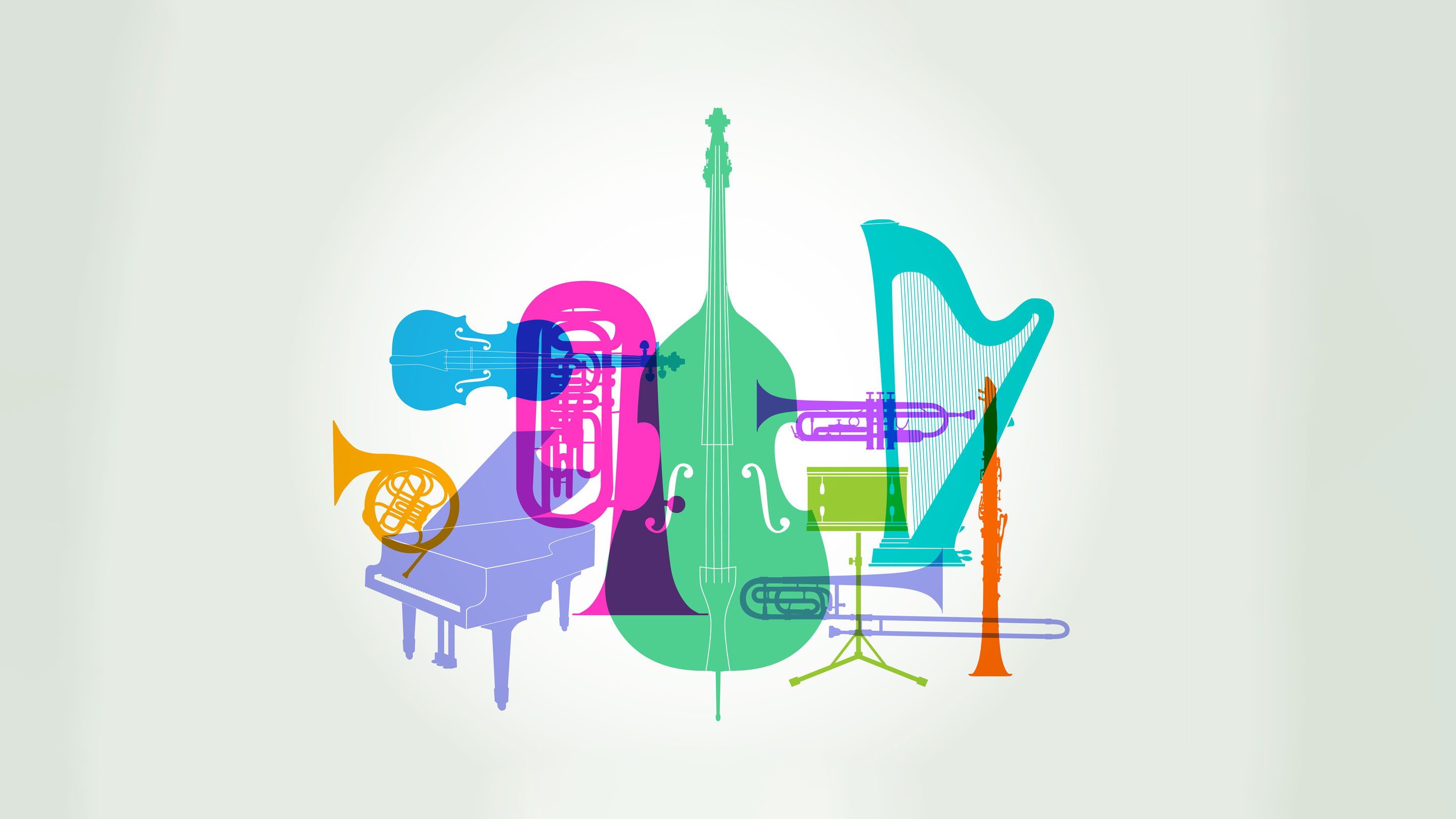
The Science Behind Music Therapy: How Melodies Impact Mental Well-Being
The Science Behind Music Therapy reveals a profound connection between melodies and mental well-being. Numerous studies demonstrate that listening to and engaging with music can significantly reduce anxiety and depression levels. Music therapy leverages this connection by combining musical activities with therapeutic techniques, allowing individuals to express their emotions more freely. The rhythmic patterns and harmonic structures of music help regulate the brain's neurochemical responses, thus enhancing mood and promoting relaxation.
Furthermore, research indicates that music therapy can improve cognitive function and the ability to cope with stress. For instance, a study published in the Journal of Music Therapy found that patients undergoing music therapy showed noticeable improvements in their emotional resilience, memory recall, and even physical pain management. By harnessing the power of sound, music therapy not only nurtures the mind but also fosters a sense of connection and community among individuals, making it an invaluable tool for enhancing overall mental well-being.
Counter-Strike is a highly popular first-person shooter game that pits teams of terrorists against counter-terrorists in intense multiplayer battles. Players can choose from a variety of weapons and strategies to outsmart their opponents. For those interested in gaming accessories, check out the Top 10 Earbuds for Small Ears to enhance your gaming experience!
5 Ways Listening to Music Can Heal Emotional Wounds
Listening to music has long been recognized for its therapeutic effects, especially when it comes to healing emotional wounds. One key way music achieves this is by providing a safe space for expression. When people listen to melodies that resonate with their feelings, they often find comfort in knowing that others have experienced similar emotions. This connection can significantly alleviate feelings of isolation and loneliness. Moreover, the lyrics of songs can serve as a form of validation, allowing individuals to articulate their struggles and emotions without needing to speak them out loud.
- Music Elicits Feelings: Certain songs can trigger memories and emotions, helping individuals process their feelings in a constructive manner.
- Enhanced Mood: Listening to uplifting tunes can increase serotonin levels in the brain, leading to improved mood and decreased anxiety.
- Mindfulness and Relaxation: Melodic sounds can facilitate relaxation, encouraging listeners to be present and mindful, which is beneficial for emotional healing.
- Social Connection: Sharing playlists or attending concerts can foster connections with others, reducing the sense of loneliness.
- Creative Expression: Engaging with music, whether through playing instruments or singing, allows individuals to channel their emotions creatively.
Can Music Really Heal? Exploring the Therapeutic Benefits of Sound
The idea that music can heal is not a new concept; various cultures have recognized the therapeutic benefits of sound for centuries. Today, research continues to shed light on the powerful effects of music on the mind and body. Studies indicate that music therapy can effectively reduce anxiety, alleviate pain, and even improve cognitive function in patients suffering from illnesses such as Alzheimer's. For instance, a systematic review published in the Journal of Music Therapy highlights significant improvements in mood and emotional regulation among participants who engaged with music during treatment. This growing body of evidence suggests that music can truly heal, providing a non-invasive complement to traditional medical practices.
One of the most fascinating aspects of music’s healing properties lies in its ability to connect us on a deeper emotional level. It can evoke memories, inspire creativity, and promote relaxation. The rhythmic patterns of sound can influence our brainwaves, leading to reduced stress and enhanced feelings of well-being. Therapeutic sound techniques, such as singing bowls or chanting, create a holistic approach that harnesses vibration and resonance to facilitate healing. With so many potential benefits, it’s no wonder that practitioners and researchers alike are diving into the world of music therapy, exploring how sound can serve as a healing tool across diverse areas of health and wellness.