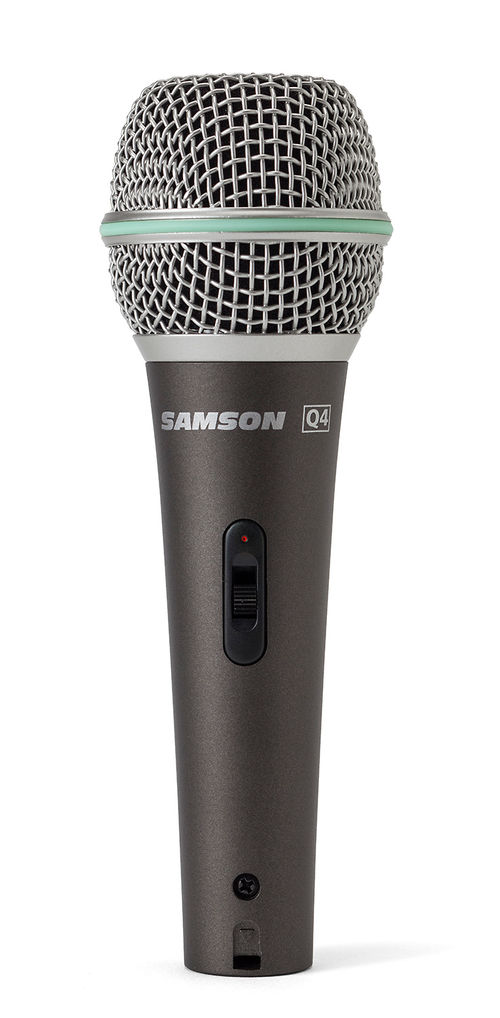
How to Choose the Right Microphone for Your Needs
Choosing the right microphone for your needs is essential for achieving high-quality audio in your projects. Whether you're a podcaster, musician, or content creator, the microphone you select can significantly impact the clarity and tone of your recordings. Start by identifying your primary use case: will you be recording vocals, instruments, or both? For example, if you're primarily focused on vocals, a dynamic microphone may suit your needs due to its durability and ability to handle high sound pressure levels, making it ideal for live performances or studio recordings.
Additionally, consider the different types of microphones available on the market, including condenser, dynamic, and ribbon microphones. Each type serves a unique purpose and comes with its own strengths. For studio recordings, a condenser microphone is often preferred for its sensitivity and wide frequency response, capturing the subtle nuances of your sound. Don't forget to evaluate factors like budget and connectivity options. For instance, USB microphones are perfect for beginners due to their plug-and-play functionality, while XLR microphones provide better sound quality for professional setups. By assessing your specific requirements and understanding the features of each microphone type, you can make an informed decision that best suits your audio needs.
Counter-Strike is a popular first-person shooter game that emphasizes teamwork and strategy. Players join either the terrorist or counter-terrorist faction, competing in various game modes. For those looking to enhance their vlogging experience while gaming, check out the Top 10 Mobile Vlogging Accessories that can help elevate content quality.
The Science Behind Microphone Types: Dynamic vs. Condenser
When it comes to choosing the right microphone for your needs, understanding the science behind microphone types is essential. Two of the most common types are dynamic and condenser microphones, each with unique characteristics suited for different applications. Dynamic microphones use a diaphragm attached to a coil of wire, which moves in response to sound waves, generating an electrical current. This design makes them ideal for live performances, as they can handle high sound pressure levels without distortion. In contrast, condenser microphones utilize a capacitor to capture sound, requiring phantom power to operate. This allows them to pick up a wider frequency range and finer details, making them popular for studio recordings.
Choosing between dynamic and condenser microphones often depends on the specific context in which they will be used. For instance, if you're recording vocals or acoustic instruments in a controlled environment, a condenser microphone is generally preferred due to its sensitivity and accuracy. Conversely, for live sound applications or when durability is needed, a dynamic microphone proves far more resilient. In addition to these differences, the pricing also varies; dynamic microphones are typically more budget-friendly, while condenser microphones can range from affordable to high-end models. Understanding these distinctions can help you make an informed decision tailored to your audio needs.
Can a Microphone Improve Your Streaming Quality?
When it comes to streaming, audio quality is just as crucial as video quality. A good microphone can significantly enhance your streaming experience by providing clear and crisp sound that engages your audience. Many streamers overlook this important aspect, relying solely on their built-in device microphones or low-quality external options. By investing in a high-quality microphone, streamers can reduce background noise, improve vocal clarity, and attract a more dedicated viewership who appreciates professional-grade audio.
There are several types of microphones to consider for streaming, including dynamic, condenser, and lavalier microphones. Each type has its unique benefits, so choosing the right one can make all the difference in creating a professional atmosphere. For instance, a condenser microphone is great for capturing the nuances of your voice in detail, while a dynamic microphone is excellent for minimizing ambient noise. Ultimately, upgrading to a quality microphone can lead to increased engagement and a more immersive viewing experience for your audience.