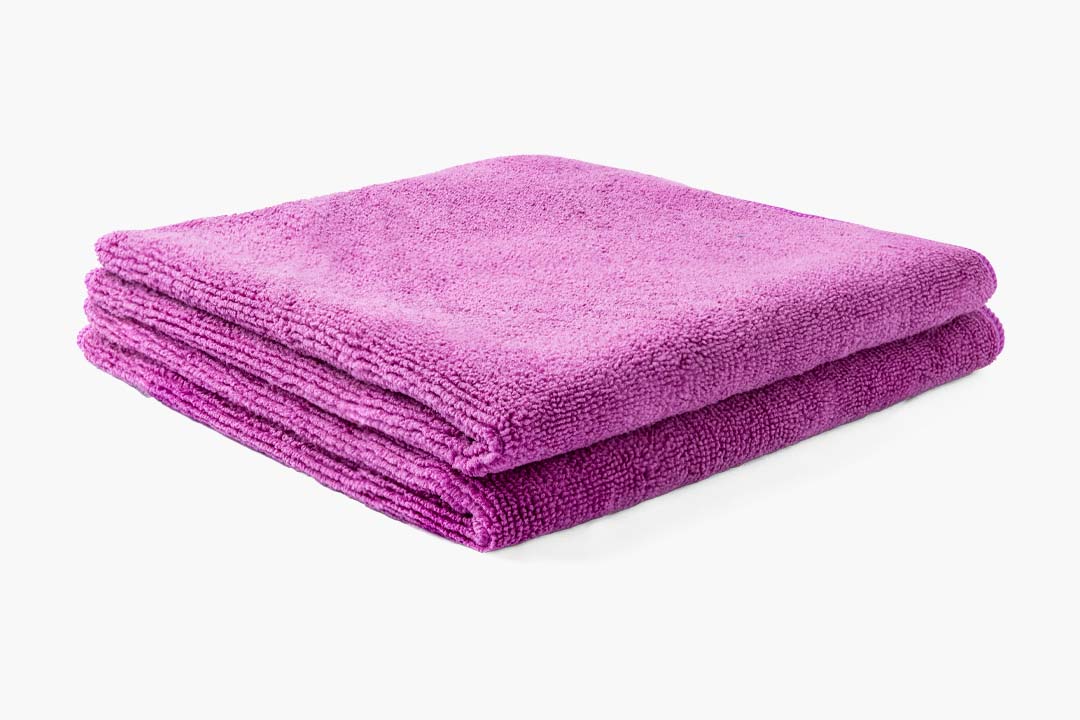
Unveiling the Myths: What Microfiber Can and Can't Do
Microfiber is often hailed as a miracle material in the cleaning world, but it's important to separate fact from fiction. One of the most common myths is that microfiber is a one-size-fits-all solution for every cleaning task. While it is indeed highly effective in picking up dirt, dust, and allergens due to its unique structure, it is not suitable for all surfaces. For instance, using a microfiber cloth on delicate glass or certain electronics without the proper care can lead to scratches or damage. Therefore, understanding what microfiber can and can't do is crucial for its optimal use.
On the flip side, many users remain unaware of the remarkable capabilities of microfiber. Aside from its cleaning prowess, microfiber is increasingly becoming popular in various applications beyond household cleaning. For example, it is widely used in sportswear due to its lightweight and moisture-wicking properties, making it ideal for active lifestyles. However, it is essential to note that while microfiber is durable, it does require proper care. Avoid using fabric softeners and high heat when washing, as these can diminish its effectiveness. By debunking these myths and recognizing its true potential, you'll be able to harness the full advantages of microfiber in your daily life.
Counter-Strike is a highly popular tactical first-person shooter game that has garnered a massive player base since its initial release. The game pits teams of terrorists against counter-terrorists in various game modes, where teamwork and strategy are crucial for victory. For those interested in maintaining their gaming gear, check out the Top 10 apple vision pro cleaning kits to keep your equipment in top shape.
10 Surprising Uses for Microfiber You Had No Idea About
Microfiber is not just for cleaning and dusting; it has a multitude of surprising uses that many people are completely unaware of. One of the most unexpected uses for microfiber is its ability to serve as an effective travel companion. Not only can you use a microfiber towel to dry off after a swim, but it also dries quickly and is lightweight, making it perfect for backpackers or vacationers who want to save space in their luggage. Additionally, you can use small microfiber cloths to protect your electronics from scratches during transit.
Another fantastic use for microfiber is in the realm of health and wellness. You can turn those soft microfiber cloths into effective gym wipes or facial cleansing pads. Simply keep a clean microfiber cloth in your gym bag to quickly wipe down equipment or your forehead during a workout. Also, because microfiber has a unique texture that can gently exfoliate without irritating the skin, it's an excellent alternative to regular cleansing pads for a refreshing clean. Unbelievably versatile, microfiber truly is a household hero!
Is Microfiber Really Eco-Friendly? The Truth Behind Its Environmental Impact
Microfiber has become increasingly popular in recent years due to its effective cleaning properties and the ability to reduce the need for chemical cleaners. However, a critical question arises: is microfiber really eco-friendly? While it is often marketed as a sustainable alternative, the environmental impact of microfiber production, usage, and disposal must be examined. The material is derived from synthetic fibers, predominantly polyester and polyamide, which are petroleum-based resources. This raises concerns about the carbon footprint associated with its production, as well as the potential for microplastic pollution when microfiber items are washed.
Another significant factor to consider is the lifecycle of microfiber products. When washed, these items release tiny plastic fibers—microplastics—that can enter waterways and contribute to environmental degradation. Additionally, while some manufacturers claim that microfiber materials are durable and long-lasting, improper disposal at the end of their life cycle can exacerbate microplastic issues. To determine if microfiber is truly eco-friendly, consumers should weigh the benefits against the environmental costs and consider sustainable cleaning alternatives that may be less harmful to our planet.