Top 5 Essential CS2 Strategies for Casual Gamers to Master
In the competitive world of CS2, casual gamers can significantly improve their gameplay by mastering a few essential strategies. Here are the Top 5 Essential CS2 Strategies that every casual player should focus on:
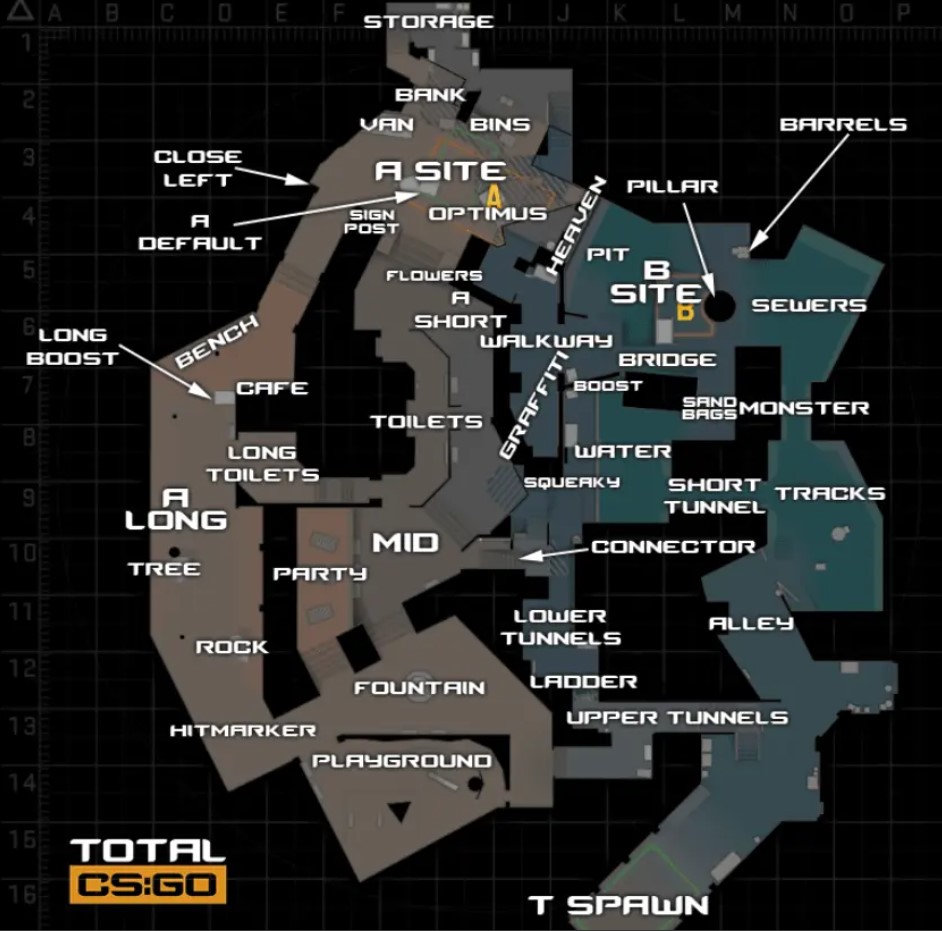
- Map Awareness: Understanding the layout of each map, including common hiding spots and choke points, is crucial. Spend time studying maps to anticipate enemy movements.
- Communication: Engage with your teammates through voice chat or text to share information on enemy locations. Clear communication can turn the tide of a match.
- Aim Training: Regularly practice your aiming skills, whether through dedicated aim training programs or in-game training modes.
- Economy Management: Learn how to manage your in-game currency efficiently. Knowing when to save or invest in weapons can significantly affect the outcome of matches.
- Play with Friends: Teaming up with friends not only enhances the gaming experience but also improves coordination and strategy execution.
Counter-Strike, often abbreviated as CS, is a popular series of multiplayer first-person shooter games where teams compete to complete objectives or eliminate opponents. As players navigate maps and strategize, they often look for ways to optimize their gaming experience. One important aspect is cs2 port forwarding, which can significantly enhance game performance by reducing latency and improving connection stability.
Unlocking Your Tactical Potential: How to Transition from Casual to Competitive in CS2
Transitioning from a casual player to a competitive gamer in CS2 can be both an exciting and challenging journey. The first step to unlocking your tactical potential is to shift your mindset from simply enjoying the game to actively seeking improvement. This involves setting clear goals, such as mastering specific weapons or understanding complex strategies. Don't forget to analyze your gameplay regularly—reviewing your matches can help identify weaknesses and enhance your decision-making skills. As you embark on this journey, remember that practice is essential; therefore, consider dedicating regular time to practice specific skills, such as aim, movement, and map knowledge.
In addition to honing your personal skills, building teamwork and communication is crucial for CS2 competitiveness. Start by playing with friends or joining a community of like-minded players to develop synergy and improve your in-game communication. Here are three tips to foster better teamwork:
- Use Voice Chat: Always communicate important info like enemy positions and strategies.
- Play Roles: Understand your role within the team and perform it to the best of your ability.
- Learn Utility Usage: Mastering grenades and other utilities can give your team a tactical edge.
By embracing these strategies, you’ll not only elevate your own gameplay but also contribute positively to your team's success in competitive matches.
What Are the Key Differences Between Casual Play and Competitive Tactics in CS2?
In Counter-Strike 2 (CS2), the distinction between casual play and competitive tactics is critical for understanding how players approach the game. Casual play typically emphasizes fun and relaxation, where players may experiment with different strategies, weapons, and game modes without the pressure of winning. In this environment, players often focus on enjoying the game with friends, and teamwork may be less structured. On the other hand, competitive play presents a more serious atmosphere where players must adopt refined tactics and communication skills. Success in competitive matches relies heavily on teamwork, coordination, and a deep understanding of maps and strategies.
The key differences in gameplay style can be summarized as follows:
- Game Mechanics: In casual play, players may not fully utilize advanced mechanics such as precise shooting and movement, while competitive players must master these techniques to gain an edge.
- Communication: Competitive play necessitates tight communication among team members, often using voice chat or in-game indicators, whereas casual players might engage in less structured conversations.
- Objective Focus: Casual matches often result in a more relaxed approach to objectives, while competitive matches demand a stricter adherence to winning conditions.