Understanding CS2 Skill Groups: A Comprehensive Guide
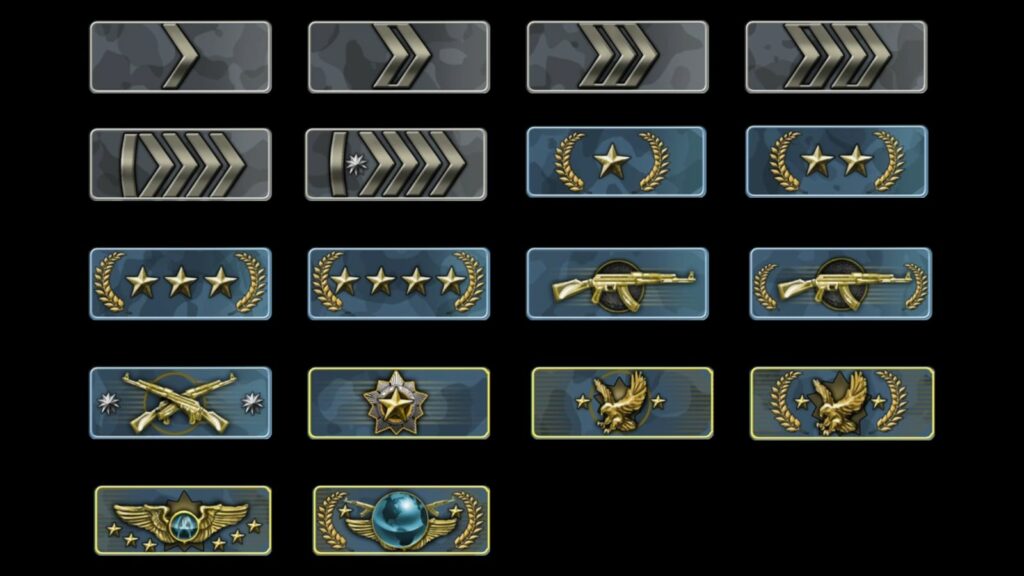
In the realm of competitive gaming, CS2 skill groups play a pivotal role in defining a player's experience and matching them with opponents of similar abilities. Understanding these skill groups is crucial for players looking to improve their gameplay and climb the ranks effectively. The skill groups in CS2 are categorized into various tiers, ranging from Silver to Global Elite, each representing different levels of player proficiency. This comprehensive guide aims to elucidate the characteristics of these skill groups, helping both novices and seasoned players navigate their journey through the competitive landscape.
The CS2 skill groups are determined by a player's performance in competitive matches, including factors such as win rate, kill-to-death ratio, and overall contribution to the team's success. Players often find themselves grouped with others of similar skills, which not only enhances the gaming experience but also fosters a learning environment. Below is a breakdown of the skill group tiers:
- Silver
- Gold
- Platinum
- Diamond
- Master
- Grand Master
- Global Elite
By understanding where you stand in the CS2 skill groups, you can set realistic goals and expectations for your growth as a player.
Counter Strike, a highly popular tactical first-person shooter game, has evolved through various versions, captivating millions of players worldwide. The latest iteration, often referred to as CS2, offers enhanced graphics and gameplay mechanics that elevate the experience further. To enjoy smooth online gaming, players may need to configure cs2 port forwarding, which allows for better connectivity and reduced lag during matches.
How to Rank Up in CS2: Tips and Strategies for Success
Ranking up in CS2 (Counter-Strike 2) requires a combination of skill, strategy, and dedication. To elevate your gameplay, the first step is to master the basics. This includes understanding the game's mechanics, familiarizing yourself with map layouts, and practicing your aim. Try to dedicate time to deathmatch servers or aim training maps, which can help sharpen your reflexes and precision. Remember, a good player knows the maps thoroughly, which can give you an edge in positioning and strategy.
Additionally, effective teamwork can dramatically affect your ranking. Communication is key in CS2, so always use voice chat or the in-game text commands to support your teammates. Here are some quick tips for better teamwork:
- Call out enemy positions promptly to keep your team informed.
- Rotate and support teammates during engagements.
- Share resources, like grenades, for a more strategic advantage.
By focusing on both individual skill and teamwork, you can significantly improve your chances of ranking up in CS2.
What Factors Influence Your CS2 Skill Group Placement?
Your CS2 skill group placement is determined by a variety of factors that assess not only your individual gameplay performance but also your overall contribution to the team. Some of the most important factors include your win/loss ratio, average kills per game, and overall kill/death ratio. In addition to personal statistics, team dynamics and communication also play a crucial role in how you are ranked. Players who consistently support their teammates and engage in effective communication tend to receive better placements than those who focus solely on individual performance.
Another significant aspect influencing your CS2 skill group placement is the consistency of your gameplay. Regularly playing matches and maintaining a stable performance over time is essential to achieving a higher rank. For instance, players who experience drastic fluctuations in their performance may find it difficult to settle into a specific skill group. Furthermore, participating in ranked matches and completing placement games after significant updates or changes to the game can also affect your rank placement. Understanding these factors can help you strategize and improve your gameplay for a better ranking experience.