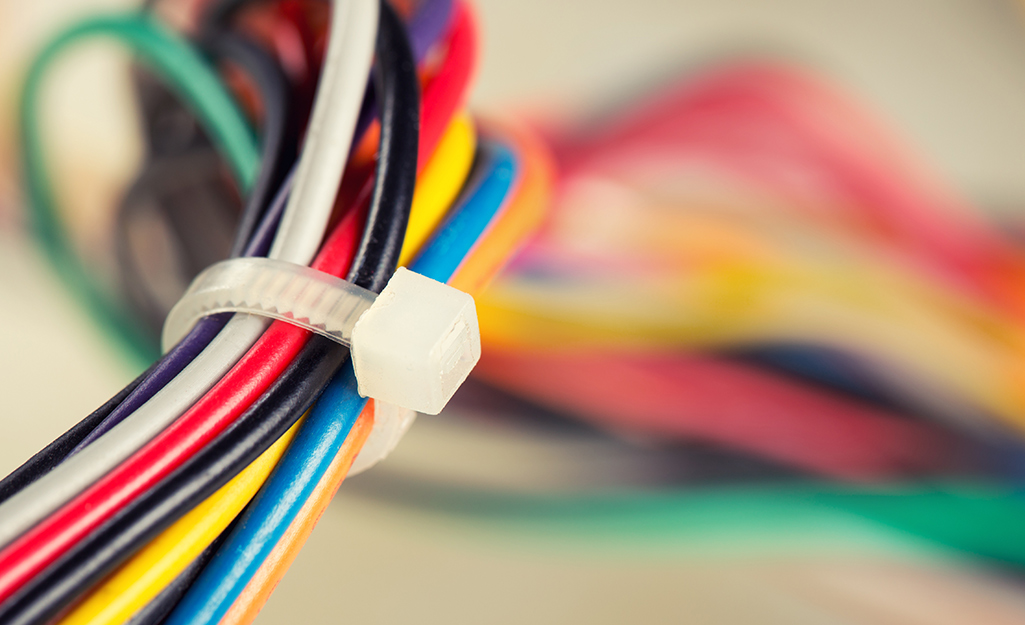
The Hidden Importance of Cables in Modern Technology
In today's fast-paced digital world, cables often go unnoticed, yet they play a vital role in ensuring the seamless operation of our modern technology. From the basic power cords that energize our devices to the advanced optical fibers that facilitate high-speed internet connections, cables are the backbone of our technological infrastructure. They enable communication between devices, support data transfer, and provide the necessary power for everything from smartphones to supercomputers. Without these essential components, the efficiency of our everyday tasks would be greatly hindered.
Moreover, the importance of cables transcends mere functionality; they are also evolving with the increase in demand for faster and more reliable connections. New developments in cable technology, such as the advent of USB-C and other high-capacity connectors, demonstrate how critical these components are in supporting advancements in technology. Additionally, proper cable management plays a crucial role in maintaining an organized workspace and improving device longevity. By understanding and appreciating the hidden importance of cables, we can better optimize our devices and enhance our overall technological experience.
When it comes to efficiently powering up multiple devices, finding the right charging solution is essential. Our list of the Top 10 Charging Stations with Cables provides a range of options to meet various needs, from compact models suitable for travel to high-capacity stations perfect for home or office use. These charging stations not only ensure your devices are ready to go but also help declutter your workspace with their integrated cable management features.
Choosing the Right Cables: A Comprehensive Guide
When it comes to choosing the right cables, understanding the different types available is essential. Whether you need cables for audio, video, networking, or power, each type serves a specific purpose. For example, HDMI cables are typically used for high-definition video and audio, while Ethernet cables are crucial for reliable internet connectivity. Consider the following factors when selecting your cables:
- Compatibility: Ensure the cable matches the device ports.
- Length: Choose an appropriate length to avoid excess clutter.
- Quality: Opt for cables from reputable brands to guarantee durability and performance.
Another important aspect to consider is the material of the cables. Cables can be made from various materials such as copper or fiber optics, each offering different benefits. For instance, fiber optic cables provide faster data transmission over longer distances, making them ideal for high-speed internet connections. On the other hand, copper cables are more common for short-range applications like audio and video. Always look for cables that protect against interference and environmental factors. This ensures a reliable connection, helping to prevent interruptions during use.
How Cables Enhance Your Tech Experience: What You Need to Know
When it comes to technology, the importance of cables cannot be overstated. They are the unsung heroes that facilitate seamless connections between your devices, enhancing your overall tech experience. From HDMI cables that deliver high-definition video to USB cables that charge your devices and transfer data, the right cables are essential for optimizing performance. Furthermore, investing in quality cables can significantly reduce interference and signal loss, ensuring that your devices operate at their best.
Understanding the different types of cables available can also aid in selecting the best ones for your needs. Here are some key points to consider:
- Compatibility: Ensure that the cables you choose are compatible with your devices.
- Length: Consider the distance between your devices to determine the appropriate cable length.
- Quality: Opt for cables from reputable manufacturers to avoid issues like fraying or poor connectivity.
By paying attention to these factors, you can greatly enhance your tech experience, making it more efficient and enjoyable.