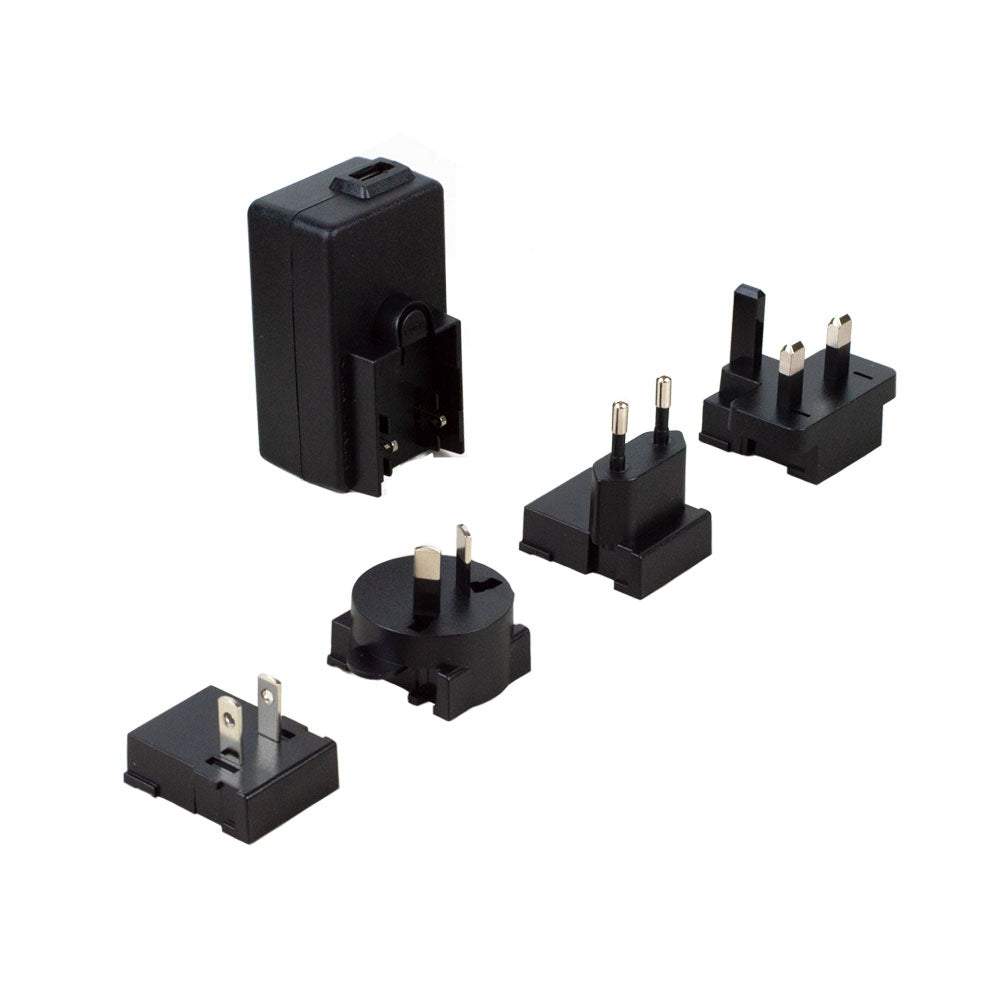
The Science Behind USB Charging: How It Powers Our Lives
In today's tech-driven world, USB charging has become an essential part of our daily lives. The Universal Serial Bus (USB) standard allows for efficient power transfer and data exchange, making it a cornerstone of modern electronics. With the ability to charge everything from smartphones to laptops, USB charging is powered by a simple yet effective design. The standard has evolved over the years, with advancements like USB-C and Power Delivery (PD), enabling faster charging speeds and higher power output. This technological evolution not only enhances our gadget experience but also streamlines our charging needs, reducing the clutter of multiple cables and adapters.
The mechanism behind USB charging involves a fascinating interplay of electrical engineering principles. At its core, USB operates on a principle called voltage that dictates how energy flows across different devices. For instance, a typical USB port provides a voltage of 5 volts, which is sufficient for charging most small electronic devices. When a device is connected, the USB protocol communicates to ensure safe voltage levels for optimal charging without the risk of damage. As the demand for faster and more efficient charging grows, understanding the science of USB charging is crucial for both consumers and manufacturers alike, emphasizing its role in powering our modern lives.
Counter-Strike is a popular first-person shooter game that has captivated millions of players worldwide. Known for its team-based gameplay and strategic elements, it challenges players to complete objectives while also engaging in combat. For those looking for a quick way to charge multiple devices during intense gaming sessions, check out the Top 10 Multi Device Charging Stations to keep your gear powered up. The game has evolved through various versions, with each installment adding new maps, weapons, and gameplay mechanics to enhance the experience.
Future Innovations in USB Technology: What to Expect
The future of USB technology is poised to bring significant advancements that will enhance connectivity and user experience. As we move towards faster data transfer speeds, the upcoming USB4 standard promises to deliver transfer rates of up to 40 Gbps, effectively doubling the speeds offered by USB 3.2. This leap in technology not only allows for quicker file transfers but also supports high-performance accessories such as 8K monitors and external GPUs. Furthermore, the integration of Thunderbolt 3 compatibility within the USB4 standard is set to revolutionize the way devices communicate, merging functionalities and streamlining connections.
In addition to speed improvements, future innovations in USB technology will focus on enhanced power delivery capabilities. With the introduction of USB Power Delivery (USB PD), devices can now negotiate power requirements, allowing for faster charging without compromising safety. Expect to see more devices utilizing this technology, including laptops that can charge via USB-C, reducing the need for multiple charging cables. As we advance, the potential for smarter USB connections will likely include features such as automatic device recognition and optimized power management, paving the way for a more efficient and user-friendly experience.
Can a USB Charger Really Charge the Future of Gadgets?
The advent of the USB charger has revolutionized the way we power our devices, and its impact on the future of gadgets cannot be overstated. With the ability to deliver power efficiently across a multitude of devices, from smartphones to smart home gadgets, the USB charger has become a universal solution for energy needs. According to industry reports, the adoption of USB-C technology is expected to rise significantly, paving the way for faster charging and improved compatibility. This evolution hints at a future where one form of charging could effectively cater to an entire ecosystem of devices, making power management simpler and more sustainable.
Moreover, the future of gadgets looks increasingly focused on efficiency and user convenience, two areas where USB charging excels. As we move towards an Internet of Things (IoT) landscape, where connectivity and charging solutions must be streamlined, a common charging standard can reduce electronic waste and improve user experience. The ability to charge multiple devices simultaneously, without the hassle of mismatched chargers, suggests a more integrated lifestyle. Ultimately, the future of gadgets may rely heavily on the simplicity and versatility of USB charging, making it a crucial component in the development of innovative technology.