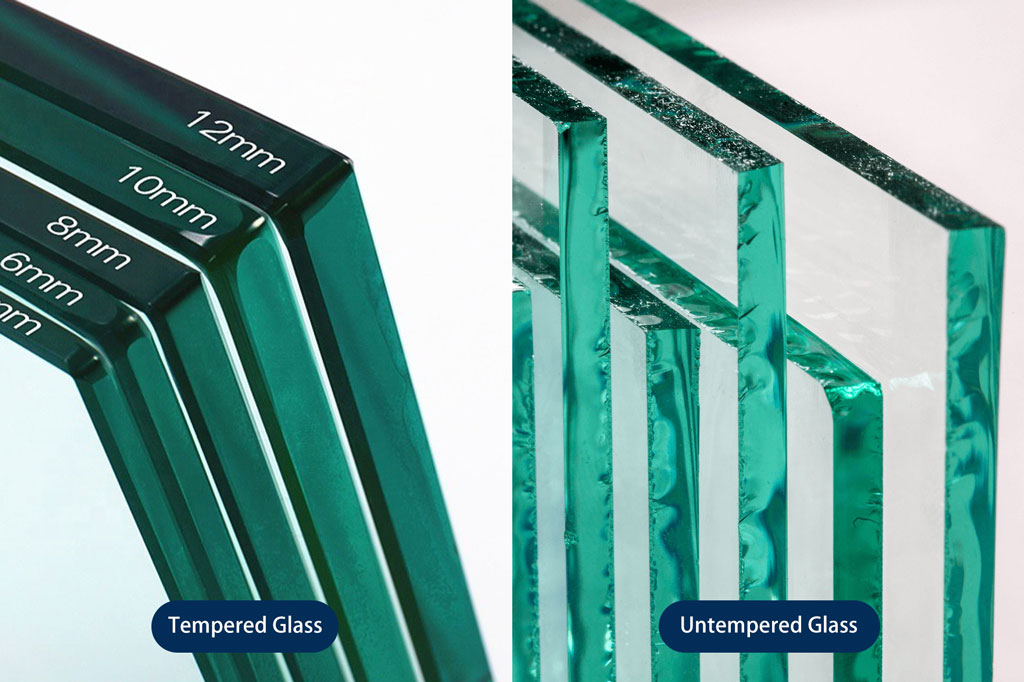
5 Reasons Why Tempered Glass Elevates Modern Design
Tempered glass has emerged as a staple in contemporary architecture and interior design, and for good reason. First and foremost, it offers unparalleled safety due to its enhanced strength; when broken, it shatters into small, blunt pieces rather than sharp shards. This quality not only makes it ideal for high-traffic areas but also promotes a sense of security in homes and commercial settings. Additionally, its ability to withstand extreme temperatures and impact means that it can be utilized in a variety of applications, from shower doors to glass facades, without compromising structural integrity.
Secondly, the aesthetic appeal of tempered glass is undeniable. Its sleek, minimalistic appearance complements a variety of design styles, making it a versatile choice for both modern and traditional spaces. The transparency of tempered glass allows for an abundance of natural light, creating an open and airy atmosphere. Moreover, it can be treated or tinted to enhance energy efficiency while maintaining a visually stunning look. Consequently, incorporating tempered glass into a design not only elevates the overall style but also enhances functionality, making it a desirable choice for architects and designers alike.
Counter-Strike is a highly popular series of multiplayer first-person shooter games that emphasizes teamwork and strategy. Players can choose to be part of a counter-terrorist unit or a terrorist group, each with specific objectives to complete. In addition to gaming, for those looking for protection for their devices, check out the Top 10 Tablet Screen Protectors to keep your screens safe from scratches and cracks.
The Secrets Behind Tempered Glass Technology: An Essential Guide
Tempered glass technology is a fascinating aspect of modern materials science, often utilized in various applications from windows and doors to smartphone screens. This process involves heating the glass to high temperatures, around 600°C, and then rapidly cooling it down, which enhances its strength and durability. The key to understanding tempered glass lies in its ability to withstand impact and thermal stresses, making it a preferred choice in safety and architectural design. Not only does this process increase the glass's resistance to breaking, but it also ensures that when it does break, it shatters into small, blunt pieces, reducing the risk of injury.
Moreover, the applications of tempered glass span across various industries, highlighting its versatility and importance. In the automotive industry, for instance, tempered glass is commonly used in side and rear windows for added safety. Likewise, in architecture, it is employed in storefronts and shower enclosures, factoring in both aesthetics and security. Additionally, manufacturers emphasize the need for quality control throughout the production process to ensure that the final product meets safety standards. Understanding these aspects of tempered glass technology not only showcases its innovative nature but also reinforces its necessity in everyday life.
How Does Tempered Glass Enhance Safety and Aesthetics in Architecture?
Tempered glass is a vital material in modern architecture that combines both safety and aesthetics. It is created through a heating and rapid cooling process, which increases its strength compared to standard glass. This enhanced durability means that tempered glass is less likely to break and, when it does, it shatters into small, blunt pieces rather than sharp shards, significantly reducing the risk of injury. This feature makes it ideal for applications such as facades, shower doors, and railings, where safety is a primary concern.
From an aesthetic standpoint, tempered glass offers a sleek and contemporary look that can elevate any architectural design. Its clarity and ability to allow natural light to permeate spaces contribute to a bright and open atmosphere. Architects often use tempered glass in conjunction with other materials to create visually stunning contrasts, while its versatility allows for various design possibilities, including tinted, printed, or frosted finishes. Overall, tempered glass not only boosts safety but also enhances the overall beauty of architectural projects.